The Pros and Cons of Ductless Heating and Cooling Systems
The history of how mini-split systems were developed provides a hint at one of the benefits they were designed to offer. In the late 1950s, ductless heating and cooling systems were developed to accommodate post-World War II Japanese housing and infrastructure. These living quarters could not accommodate bulky ducts, large indoor units, or big outdoor condensers. So the mini-split systems were developed for zone heating and cooling. In recent times, this need can still be met, but there are other ductless AC pros and cons to consider when contemplating an upgrade.
How Ductless System Benefits Outweigh Home HVAC Alternatives
The pros and cons of any system depend on your requirements when considering an upgrade. Those needs may be budget constraints, hassle-free installation, lowered energy costs and efficiency, or whether your home can accommodate the system you want. Deciding what HVAC alternatives are beneficial to your circumstances will become easier when certain aspects are addressed with expert information.
Costs
The costs to be considered are the upfront and maintenance costs. A single-zone setup can have the same installation cost as installing a central HVAC unit, without having to replace existing ducts. However, a multi-zone setup or a whole-home project can cost more. Both systems will require about the same amount of maintenance costs.
Installation
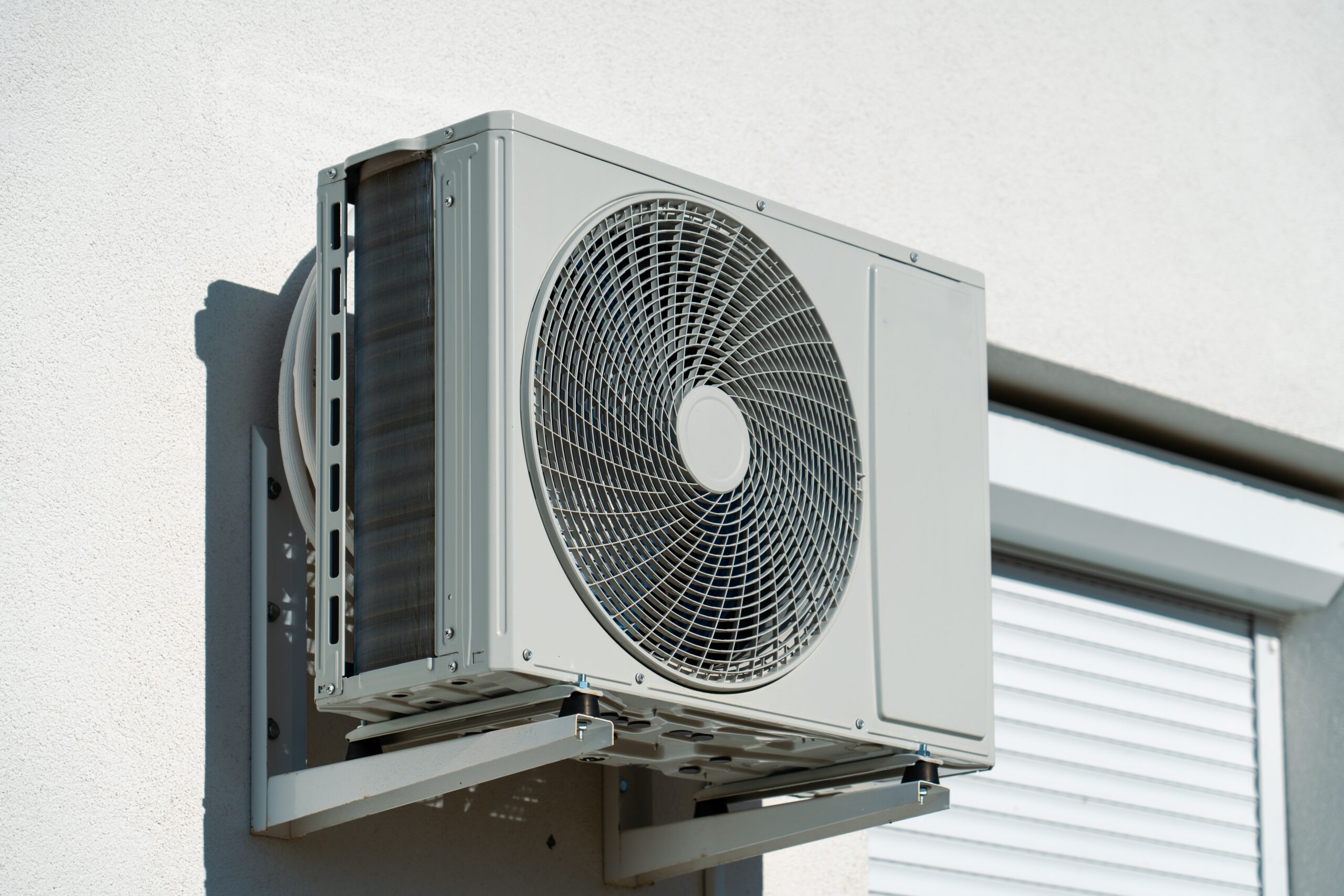
The installation of these systems is less invasive, requiring only indoor wall-mounted or ceiling-embedded air-handling units with minimal ductwork. The mini-split installation is often faster and requires less demolition.
Energy Efficiency
Mini-split systems, which are generally energy-efficient, usually perform better than central AC units. They use less energy to produce the same amount of cooling as traditional HVAC alternatives, resulting in long-term operating and mini-split energy savings. This also applies to heating as well. Central systems can also lose efficiency through duct losses, unlike ductless systems.
Another benefit that contributes to energy savings is the ability to control temperature and comfort in specific zones of the home. Units can be shut off, or the temperature can be adjusted to lower the heat or increase the cooling when rooms are not in use.
Ideal Home Applications
Ductless systems are ideal for older homes, additions, or homes without existing ducts. Retrofitting and expansions are also easier to complete with mini-split systems.
Central HVAC Systems Advantages
Central air systems are suitable for whole-home climate control and uniform air distribution. This type of distribution prevents hot and cold spots, which can be a problem when many people are constantly moving throughout the house. Whole-home control is simpler and easier to manage than with multiple zones.
Central HVAC systems also help circulate and filter air throughout the house, benefiting people with allergies or respiratory issues. Consistent temperatures and humidity throughout the home prevent condensation and mold pockets that can develop when air temperature is not maintained in a particular area or when areas are closed off.
When to Consider Upgrading
An upgrade is probably necessary when your comfort level goes down, and your energy bills go up without reason. Other circumstances to consider:
- Persistent hot or cold spots and uneven comfort throughout the home, along with frequent repair bills, may indicate a failing system
- Constructing additions or renovating rooms that will affect airflow or require new zones.
- Noise concerns from HVAC equipment or ductwork
The system’s age may also be a factor. It may need to be replaced if the system is about 10 or 15 years old, runs more often, struggles in extreme weather, or uses older refrigerants and technology.
Henry Mechanical Can Help Align Your Heating and Cooling Needs With the Right HVAC Solution
Ready for an upgrade? Start your expert installation process by scheduling an on-site assessment to determine which system would best suit your needs and a cost estimate.
Image Credit: Final Version Studio // Shutterstock
 Back
Back