Preparing Your Home for Seasonal Changes: What to Expect
As the seasons shift, homeowners face a variety of challenges that can impact comfort and safety. From power outages to frozen pipes, being aware of these potential issues allows you to take proactive measures to safeguard your home. Here’s a detailed look at what to expect and how to prepare as we transition into colder months.
1. Power Outages
Winter storms can bring high winds, heavy snow, and ice, leading to power outages that can last for hours or even days. Here’s how to prepare:
- Backup Energy: Consider investing in a generator, or solar and battery backup, to keep essential appliances running during an outage.
- Emergency Kit: Create a kit with flashlights, batteries, first aid supplies, and non-perishable food. Include a portable phone charger to keep your devices powered.
- Stay Informed: Keep a battery-powered weather radio on hand to stay updated on conditions and safety information.
2. Freezing Pipes
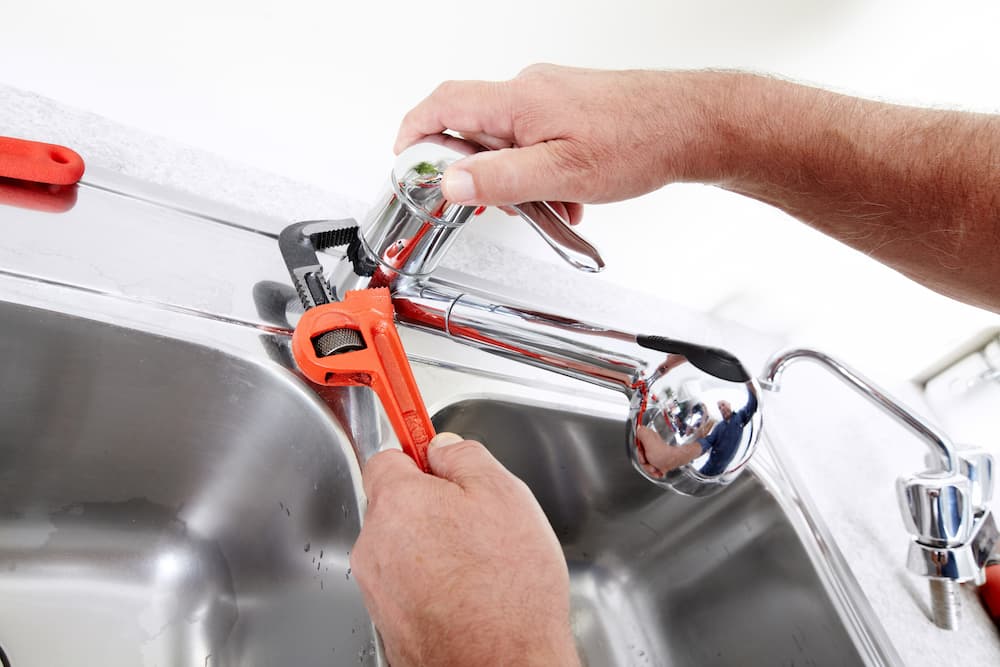
When temperatures drop, your plumbing is at risk. Frozen pipes can lead to serious damage if they burst, causing water leaks and costly repairs. To prevent this:
- Insulation: Insulate exposed pipes in unheated areas like basements, attics, and garages. Foam pipe insulation is easy to install and effective.
- Heat Sources: On extremely cold nights, let faucets drip slightly to keep water moving and reduce the risk of freezing. Open cabinet doors under sinks to let warm air circulate around pipes.
- Emergency Thawing: If you suspect a pipe is frozen, gently thaw it using a hair dryer or heating pad. Avoid using open flames, as they can damage the pipes.
3. Water Damage
Fall and winter can bring heavy rains, melting snow, and potential water intrusion. Here’s what you can do to prevent water damage:
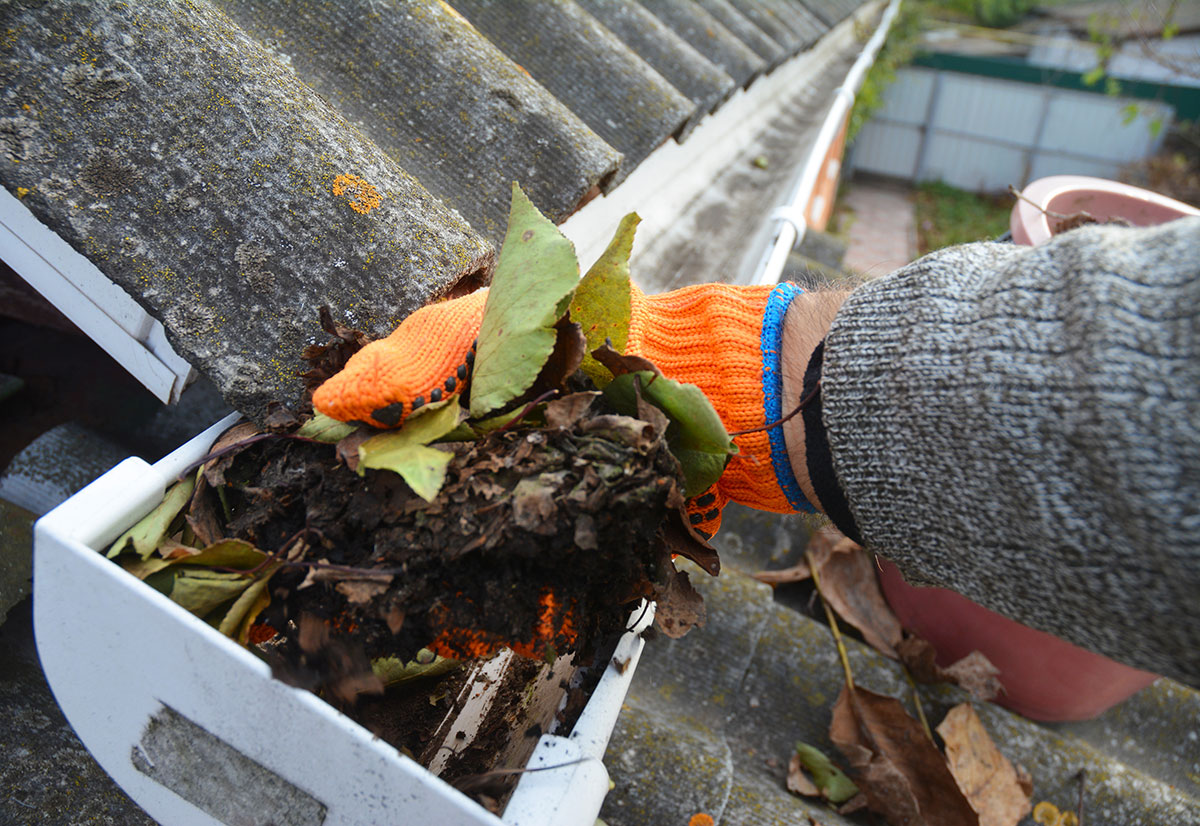
- Gutter Maintenance: Clean your gutters and downspouts regularly to ensure they direct water away from your home’s foundation. Clogged gutters can lead to overflow and water pooling near your foundation.
- Drainage Systems: Consider installing or maintaining a sump pump in your basement to manage any water that does enter.
- Basement Checks: Inspect your basement for signs of leaks or moisture, and use dehumidifiers as needed to keep humidity levels low.
4. Heating System Check
As you transition from cooling to heating, it’s essential to ensure your heating system is functioning optimally. Here are key steps to take:
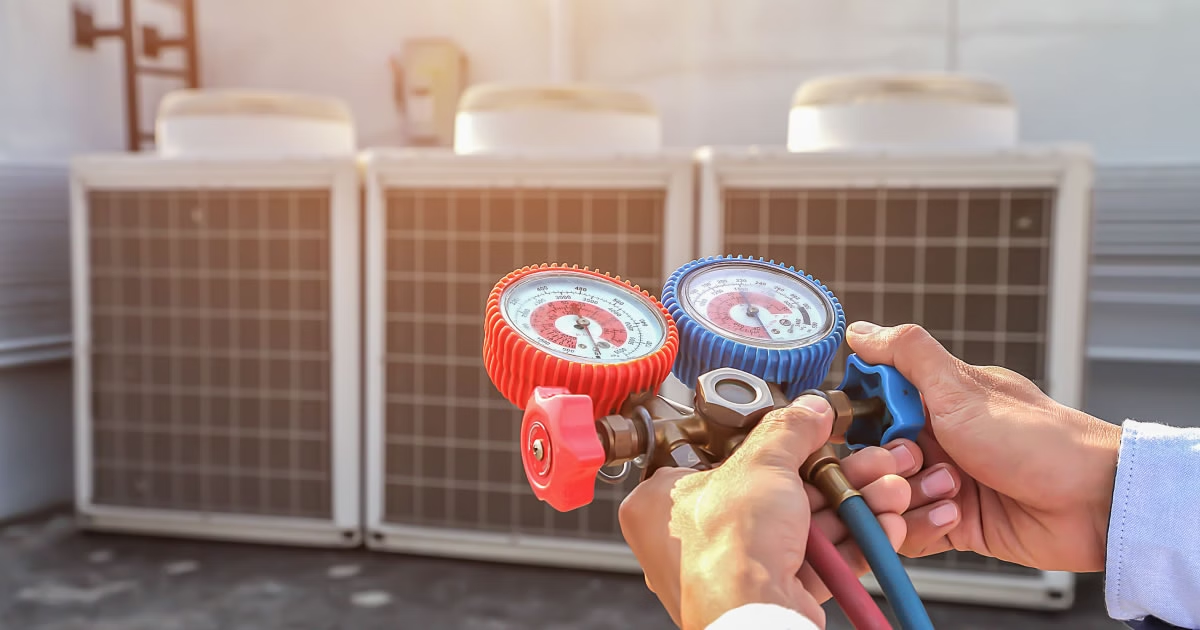
- Professional Inspection: Schedule an annual inspection for your furnace or heating system. A professional can identify any issues and ensure your system is safe and efficient.
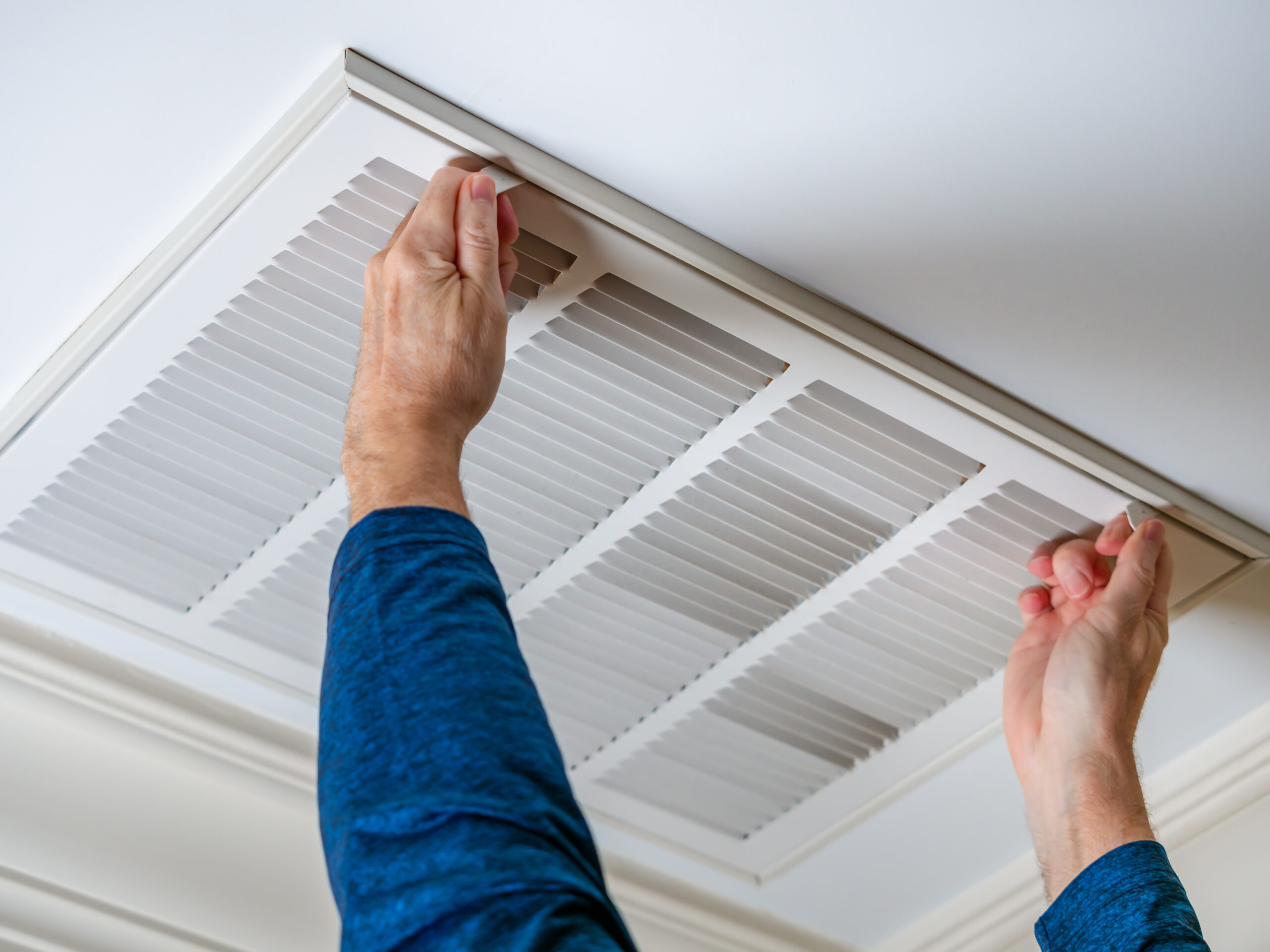
- Filter Replacement: Change air filters every 1-3 months, depending on usage. Clogged filters can reduce efficiency and lead to poor air quality.
- Noise Monitoring: Be attentive to any unusual noises from your heating system. Sounds like banging or rattling can indicate underlying issues that need professional attention.
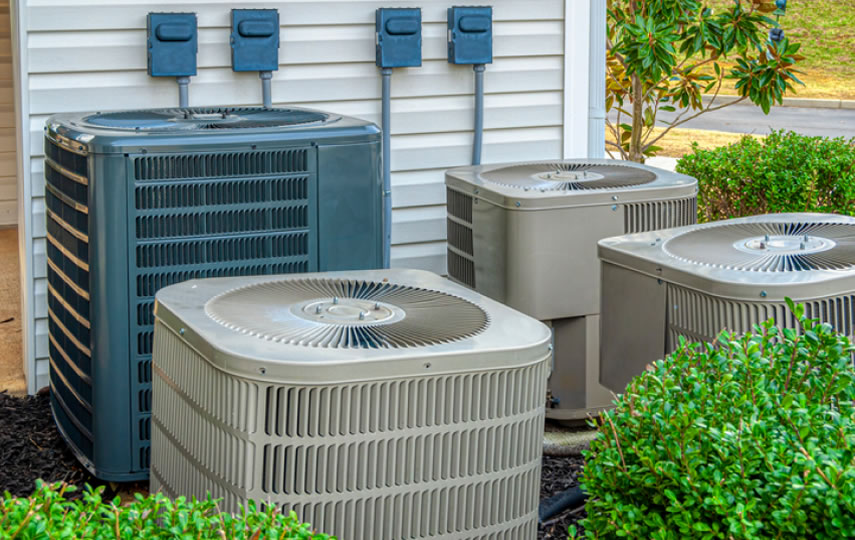
5. HVAC Efficiency
As you adjust to colder temperatures, consider ways to enhance your home’s energy efficiency:
- Seal Drafts: Inspect windows and doors for gaps, and use weather stripping or caulk to seal drafts. This helps maintain your home’s temperature and reduces energy costs.
- Programmable Thermostat: Install a programmable thermostat to optimize your heating schedule. You can lower the temperature when you’re not home and program it to warm up before you return.
- Zoning Systems: If your home has multiple levels or areas, consider a zoning system to ensure each space is heated efficiently based on usage.
Conclusion
By staying informed about seasonal changes and addressing potential issues proactively, you can protect your home from unexpected problems and maintain a comfortable environment for your family. Regular maintenance and preparation are key to enjoying the beauty of each season without the stress of last-minute repairs. Stay ahead of the curve, and embrace the changing seasons with confidence!
 Back
Back